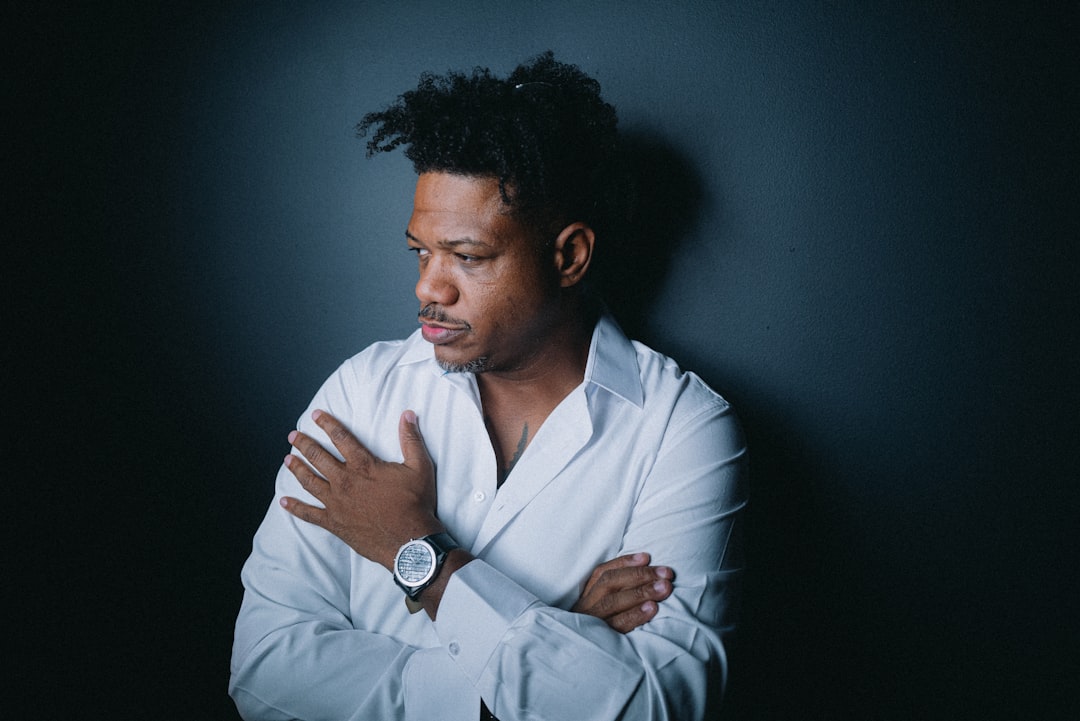
The Power of Non-Verbal Communication
Research consistently shows that non-verbal communication significantly impacts how others perceive us, often more than our actual words. Your posture, gestures, facial expressions, and spatial positioning all send messages about your confidence, credibility, and intentions. Understanding and consciously managing these signals gives you a powerful advantage in professional settings. The good news is that body language, unlike some communication skills, can be learned and refined relatively quickly with awareness and practice.
Posture: Your Foundation of Confidence
Posture forms the foundation of confident body language. Standing or sitting tall with shoulders back and head level projects confidence and authority. Slouching, hunching, or leaning away suggests disinterest, low energy, or insecurity. Practice good posture throughout your day so it becomes natural during important interactions. Imagine a string pulling you upward from the crown of your head. This alignment not only looks more professional but actually influences your internal state, increasing feelings of confidence and competence through the mind-body connection.
The Strategic Use of Eye Contact
Eye contact is perhaps the most powerful non-verbal tool available. Appropriate eye contact demonstrates confidence, honesty, and engagement. In Western cultures, maintain eye contact for about 60-70% of conversations, looking away occasionally to avoid staring. When presenting to groups, systematically scan the room, making brief eye contact with individuals throughout your audience. In interviews, maintain steady but natural eye contact with your interviewer. However, remember cultural variations exist, some Asian cultures interpret prolonged eye contact differently, so adjust accordingly.
Facial Expressions and Micro-Expressions
Your face communicates emotions constantly, often unconsciously. Ensure your facial expressions align with your message and intentions. Smile genuinely when appropriate, as authentic smiles engage the eyes not just the mouth. Be aware of micro-expressions, fleeting facial movements that reveal true emotions. While controlling these completely is difficult, awareness helps you manage obvious contradictions between your words and expressions. Practice in front of a mirror or record yourself to identify habitual expressions you might not realize you're making.
Hand Gestures That Enhance Your Message
Strategic hand gestures add emphasis and clarity to your communication. Use open hand movements at chest level to appear trustworthy and engaging. Pointing can seem aggressive, so use open palm gestures instead when indicating direction or emphasis. Steepling fingers conveys confidence and thoughtfulness. Avoid nervous gestures like fidgeting, playing with jewelry, or touching your face, which distract from your message and suggest anxiety. Practice incorporating purposeful gestures that feel natural and reinforce your key points.
Spatial Awareness and Proxemics
The physical space you maintain between yourself and others communicates relationship dynamics and respect. In professional Western contexts, maintain about arm's length distance for conversations with acquaintances and colleagues. Standing too close can feel invasive, while standing too far seems cold or disinterested. When presenting, move purposefully around the space rather than remaining static, but avoid pacing nervously. Your spatial positioning should facilitate connection without making others uncomfortable, again adjusting for cultural norms.
The Power of Mirroring
Subtly mirroring another person's body language builds rapport and connection. When someone leans forward, you might naturally do the same. If they adopt a more relaxed posture, you can follow suit. This subconscious mimicry signals alignment and understanding. However, mirroring should be subtle and natural, not obvious copying which can appear mocking. Use this technique particularly in interviews and one-on-one meetings to create unconscious connection. The key is matching the general energy and openness of the other person's body language.
Managing Nervous Habits
Everyone has nervous habits that emerge under stress, from foot tapping to hair touching to pen clicking. Identify your specific nervous tells through self-observation or feedback from trusted colleagues. Once aware, consciously work to eliminate or redirect these behaviors. Replace nervous energy with purposeful movements like deliberate hand gestures or strategic pauses. Practice relaxation techniques that reduce overall anxiety, making nervous habits less likely to emerge. Remember that some movement is natural and even helpful, the goal is eliminating distracting or undermining behaviors.
Conveying Openness and Accessibility
Open body language invites connection and communication. Keep your arms uncrossed and body facing toward your conversation partner. Lean slightly forward to show interest and engagement. Maintain an open stance with feet shoulder-width apart when standing. These signals communicate that you're approachable, interested, and receptive. Conversely, crossed arms, turned away posture, or closed stances create barriers that make others less likely to engage with you. Even when you feel defensive or uncomfortable, consciously maintain open body language.
Cultural Variations in Body Language
Body language norms vary significantly across cultures. What's considered confident in one culture might seem aggressive in another. Direct eye contact, acceptable personal space, appropriate gestures, and facial expression norms all differ globally. When working with international colleagues or clients, research relevant cultural differences. When uncertain, observe and mirror local practices. Ask respectfully about norms rather than making assumptions. This cultural intelligence prevents misunderstandings and demonstrates respect, building stronger cross-cultural relationships.
Body Language in Virtual Settings
Video conferencing requires adapted body language techniques. Position yourself appropriately in frame, typically showing from chest up with slight space above your head. Maintain good posture even when sitting, as slouching is visible on camera. Look at the camera rather than your screen to simulate eye contact. Use hand gestures within camera range to maintain expressiveness. Ensure your facial expressions are slightly more animated than in person, as the camera can flatten affect. Your virtual body language should compensate for the reduced physical presence of remote communication.
Reading Others' Body Language
Understanding body language is bidirectional. Learning to read others' non-verbal cues improves your communication responsiveness. Notice when someone crosses their arms or leans away, potentially signaling disagreement or discomfort. Watch for nodding and forward leaning indicating interest and agreement. Observe facial expressions for confusion, boredom, or enthusiasm. Use these observations to adjust your communication in real-time, clarifying points that seem confusing or expanding on topics generating interest. This attentiveness makes you a more effective communicator.
The Authenticity Balance
While conscious body language management is valuable, authenticity remains crucial. Overly controlled or artificial body language appears robotic and insincere. The goal is awareness and refinement of natural tendencies rather than adopting a completely different physical presence. Your body language should feel authentic to you while eliminating undermining habits and emphasizing confident signals. With practice, positive body language becomes genuinely natural rather than performed. Trust that as you develop confidence internally, your body language will increasingly reflect that confidence automatically.
Practicing Body Language Skills
Improving body language requires deliberate practice and awareness. Record yourself in various communication situations to objectively assess your non-verbal communication. Practice presentations in front of mirrors to observe your posture, gestures, and expressions. Ask trusted colleagues for honest feedback about your body language. Work with a communication coach who can identify specific areas for improvement and provide targeted exercises. Remember that body language habits are deeply ingrained, changing them takes time and conscious effort. Celebrate incremental improvements rather than expecting instant transformation.
Conclusion
Mastering body language significantly enhances your professional communication effectiveness. By consciously managing your posture, eye contact, facial expressions, gestures, and spatial positioning, you project confidence, build rapport, and reinforce your verbal messages. Remember that body language works bidirectionally, both expressing your intentions and reading others' responses. Cultural awareness ensures your non-verbal communication is appropriate across diverse contexts. While developing these skills requires practice and awareness, the investment pays substantial dividends in interview success, presentation impact, and professional relationship building. Your body is constantly communicating, ensure it's sending the messages you intend.